Austel Logo Knockout
Phone icon
  • Location & hours
  • Pay my bill
  • Patient login
  • Blog
  • Contact
  • Careers
  • Emergencies
  • (770) 676-1230
    • Meet our team
    • Richard S. Gardner, DMD
    • Joi L. Edwards, DMD
    • Melanie P. Tang, DMD
    • Alexis, BSc, RDH
    • Wysteria, RDH, BSc
    • Prevent
    • Children's Dental Care
    • Dental Exams and Teeth Cleaning
    • General Dentistry Services
    • Gum Disease Treatment
    • Restore
    • Dental Fillings Crowns Bridges
    • Dental Implants
    • Full Dentures & Partial Dentures
    • Root Canal and Endodontics
    • TMJ Treatment
    • Tooth Extractions
    • Improve
    • Cosmetic Dentistry Services
    • SureSmile Aligner
    • Teeth Whitening
    • Dental payment options
    • Dental insurance
    • Dental financing
    • Special offers
    • Good faith estimate
    • About our practice
    • Patient information
    • Dental reviews
    • Advanced Dental Technology
    • COVID-19
  • Book appointment

Home

Blog

Why Chewing Ice Is Bad for Your Teeth

July 15, 2019 By Austell Dental Associates

Why Chewing Ice Is Bad for Your Teeth

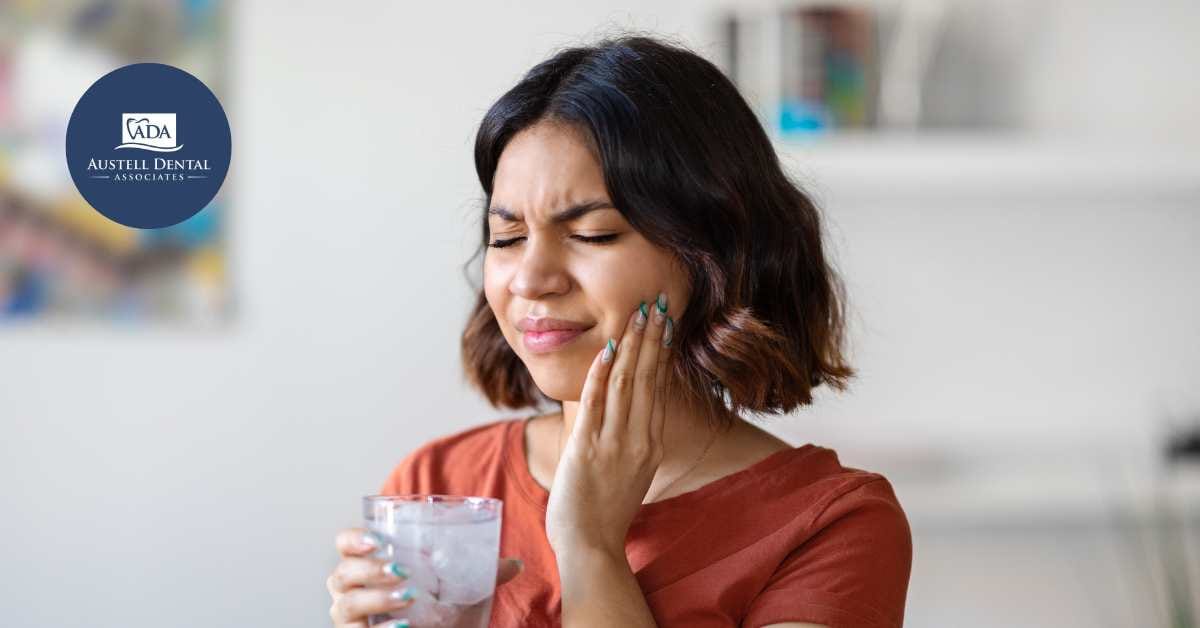
Our teeth are not designed for some of the odd jobs we use them for, such as tearing open a bag of chips, ripping off a price tag, or uncapping a bottle of nail polish. And bad habits like these can ruin your dental health. One of the simplest ways to prevent injuries to your teeth or gums, according to The American Dental Association, is to avoid chewing ice. While it can relieve boredom or stress, chewing ice is not a harmless habit. Your teeth are simply not designed to crush ice in the same way a blender can.

Some of the ways chewing ice can damage your teeth:

  • Crack your teeth: If you chew ice, you’re at risk of cracking your teeth. Not only does this cause a cosmetic issue, it also compromises the function of your mouth and leaves it vulnerable to infection. If the crack is beneath the gumline, you may need to have the tooth extracted and replaced with a dental implant.
  • Wear down the enamel: The hard, outer coating on your teeth is called enamel. It keeps the teeth strong and protected, but the more it wears down, the more likely you are to experience dental problems.
  • Ruin fillings, crowns, dentures, and dental appliances: Most dental work you’ve had done cannot sustain ice chewing, especially dental appliances like retainers. If you break a dental filling, you may need root canal treatment to replace the damaged tooth and preserve its function.
  • Increase sensitivity: Exposing your teeth to extreme temperature changes damages the nerves inside your teeth. If you already have tooth sensitivity, chewing ice can make it worse.
  • Indicate a more serious, underlying health condition: Some people chew ice compulsively and are addicted to it. This can be a sign of a serious health issue, such as a nutritional deficiency, anxiety, or obsessive-compulsive disorder. Iron-deficiency anemia, which affects as much as 25% of the U.S. population, is the most common nutritional problem associated with ice chewing.

Ready to kick the ice-chewing habit? Schedule your dental checkup and cleaning at Austell Dental Associates today by calling (770) 676-1230 today!

Recent articles

Blog Hero Image Why Your Teeth Feel Sensitive and What You Can Do About It
Blog Hero Image Healthy Diet, Healthy Teeth: Foods to Boost Your Oral Health in the New Year
Blog Hero Image 5 Signs You May Need a Dental Crown

Book your appointment today.

4750 Austell Rd, Austell, GA 30106
Call our office at (770) 676-1230.
Book appointment
Austel Logo footer
  • Children's Dental Care
  • Cosmetic Dentistry Services
  • Dental Exams and Teeth Cleaning
  • Dental Fillings Crowns Bridges
  • Dental Implants
  • Full Dentures & Partial Dentures
  • General Dentistry Services
  • Gum Disease Treatment
  • Root Canal and Endodontics
  • SureSmile Aligner
  • TMJ Treatment
  • Teeth Whitening
  • Tooth Extractions
  • Find a dentist near you
  • Privacy policy
  • Notice of Privacy Practices
  • Site map

© 2026 Austell Dental Associates. All rights reserved. The above-listed practice complies with applicable Federal civil rights laws and does not discriminate on the basis of race, color, national origin, age, disability, or sex. Notice of non‑discrimination.